





siRNA (OLD Version)
Introduction
Small interfering RNA (siRNA) has unlocked a new era of precise, clinically validated gene silencing. The field reached a major milestone in 2018 with the FDA approval of Patisiran (Alnylam Pharmaceuticals), establishing lipid nanoparticles as safe and efficient carriers for hepatic RNA delivery. This was followed by the success of N-acetylgalactosamine (GalNAc)–siRNA conjugates, which rely on polymer-based architectures and receptor-mediated uptake in hepatocytes, reinforcing siRNA as a robust therapeutic platform.
How does siRNA mediate gene silencing?
siRNA is a short, double-stranded RNA molecule, typically 20–25 nucleotides in length, with 2-nucleotide 3′ overhangs, that harness the cell’s natural RNA interference (RNAi) pathway. Inside the cell, long double-stranded RNAs (dsRNAs) are processed by the ribonuclease Dicer into siRNAs, which are then loaded into the RNA-induced silencing complex (RISC). Within RISC, the passenger strand is released while the guide strand directs the complex to a complementary mRNA sequence through Watson-Crick base pairing. The target mRNA is subsequently cleaved by the Ago2 endoribonuclease, preventing mRNA translation into proteins.
By exploiting this endogenous mechanism, siRNA enables highly specific and potent gene knockdown without altering the genome, offering a versatile platform to silence virtually any disease-relevant gene.
Why do siRNA molecules need delivery systems?
After intravenous administration, siRNA faces multiple biological barriers, including enzymatic degradation by nucleases, renal clearance, immune uptake, crossing the cell plasma membrane, and endosomal entrapment. Two main strategies have been developed to overcome these challenges.
The first is chemical modification of the siRNA molecule. Modifications to the ribose, phosphate backbone, or bases (e.g., phosphorothioate linkages, 2′-O-methyl substitutions) could improve siRNA stability by enhancing nuclease resistance and reducing immune recognition.
The second strategy involves the use of nanoparticle-based delivery systems, including lipid- and polymer-based nanocarriers, which shield siRNA from degradation, facilitate cellular internalization, and enable efficient delivery to target tissues. Lipid nanoparticles (LNPs), in particular, have proven highly effective in delivering siRNA, ensuring potent gene silencing.
Where is siRNA applied?
The precision and potency of siRNA make it a valuable modality across both therapeutic and research applications:
- Genetic and rare diseases: siRNA enables selective silencing of disease-causing genes, with strong clinical validation in liver-targeted indications.
- Cancer therapy: siRNA can be used for targeted knockdown of oncogenes and pathways involved in tumor growth and drug resistance.
- Functional genomics: In research settings, siRNA provides a rapid and reversible method for transient gene silencing, making it a powerful tool to study gene function and validate therapeutic targets.
How we can help
Reproducible siRNA formulation
TAMARA’s microfluidics-based formulation technology enables controlled and gentle encapsulation of siRNA into lipid- or polymer-based nanoparticles. Precise control over mixing conditions ensures consistent particle size, narrow polydispersity index (PDI), and high encapsulation efficiency — critical parameters for effective siRNA delivery.
Efficient screening using minimal siRNA quantities
Early-stage siRNA-loaded nanoparticle development requires rapid exploration of formulation parameters while conserving valuable material. TAMARA allows systematic screening of lipid or polymer compositions, ratios, buffer conditions, and microfluidic process parameters (e.g., flow rate ratios and total flow rates) at microliter scales, accelerating optimization while minimizing siRNA consumption.
Seamless scale-up across development stages
TAMARA supports direct translation from formulation screening to preclinical batch production without altering formulation conditions. This ensures that critical quality attributes (CQAs) are maintained across scales, reducing development risk and improving reproducibility.
Expert support beyond equipment
In addition to instrumentation, Inside Therapeutics offers tailored services to support siRNA-LNP programs, including proof-of-concept studies, formulation screening, preclinical batch production, and hands-on training. You choose the level of support — our team helps you move forward with confidence.

Related resources
Review


An introduction to Lipid Nanoparticles (LNPs) for siRNA delivery
Read more
Review

A complete guide to understanding Lipid nanoparticles (LNP)
Read more
Review
A guide to RNA-LNP formulation screening
Read more
Review


Biodistribution of RNA-LNP, a review
Read more
Review
From discovery to clinic: bridging scales in RNA-LNP manufacturing
Read more
Review
The Evolution of Nanomedicine: from ideas to clinical applications
Read more
Review

LNP synthesis: Overview of the manufacturing methods
Read more
Product

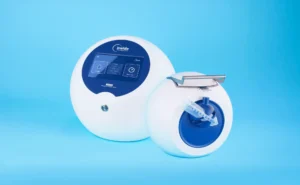
TAMARA
Read more

TAMARA
Nanoparticle & LNP Formulation System

Intuitive and quick
Save time in the lab — even for first-time users.
All-in-one R&D system
0.2 – 30 mL / 1 µg – 5 mg of RNA per run
Minimize cost per run
Reusable chips & zero formulation losses
Ultimate control & repeatability
Microfluidic efficiency & precision


Lipid Kits
LNP reagent Kits
Ready to use
Control & repeatability
Reusable chips
For lower cost per run
All-in-one R&D system
From screening to in-vivo
Zero formulation waste
Efficiency & cost reduction