


What is TAMARA?
Nanoparticle
& RNA-LNP
formulation system
-

One system across your full R&D workflow -
Efficiency: reusable chips & zero losses -
Quick and intuitive
Already adopted by leading research institutions worldwide








What can TAMARA do?
Whether you’re screening lipid formulations
or exploring different payloads options, TAMARA adapts to your needs
Nanoparticles
you can formulate
A few of our core
formulation capabilities

Lipid nanoparticles (RNA-LNP,…)
Liposomes, micelles, polyplexes
Polymer & hybrid nanoparticles
Peptide nanoparticles
Payloads
you can encapsulate
Most common cargos
you can load
mRNA, saRNA, circRNA
siRNA, miRNA
CRISPR-Cas9
ASOs & DNA
Small molecules & peptides
Applications
you can address
Wide range of therapeutic areas
you can work on
Preventive and therapeutic vaccines
Gene editing & rare disease
Oncology
Personalized medicine
What makes TAMARA
the best system for your needs?
One platform from screening to in vivo
Identical RNA-LNP formulation from screening (0.2 mL) to in-vivo (30 mL)
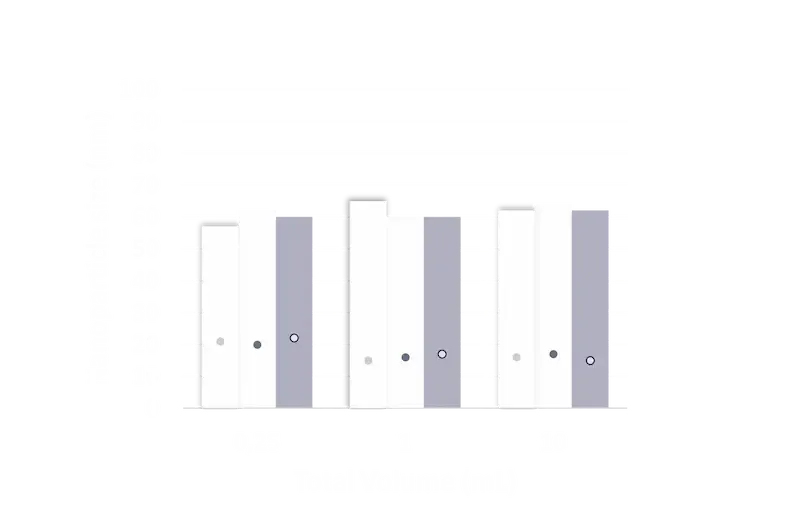
Reusable chips with built-in cleaning protocol

TAMARA – Two triplicates at different TFRs, all using the same chip
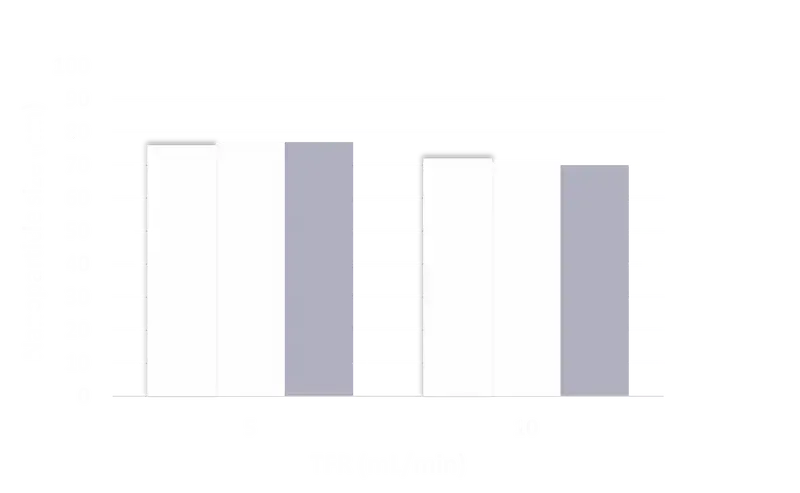
Zero formulation losses, >90% RNA recovery

Encapsulation Performance: TAMARA vs. Other Approaches
 Click on the illustrations to enlarge the graphs

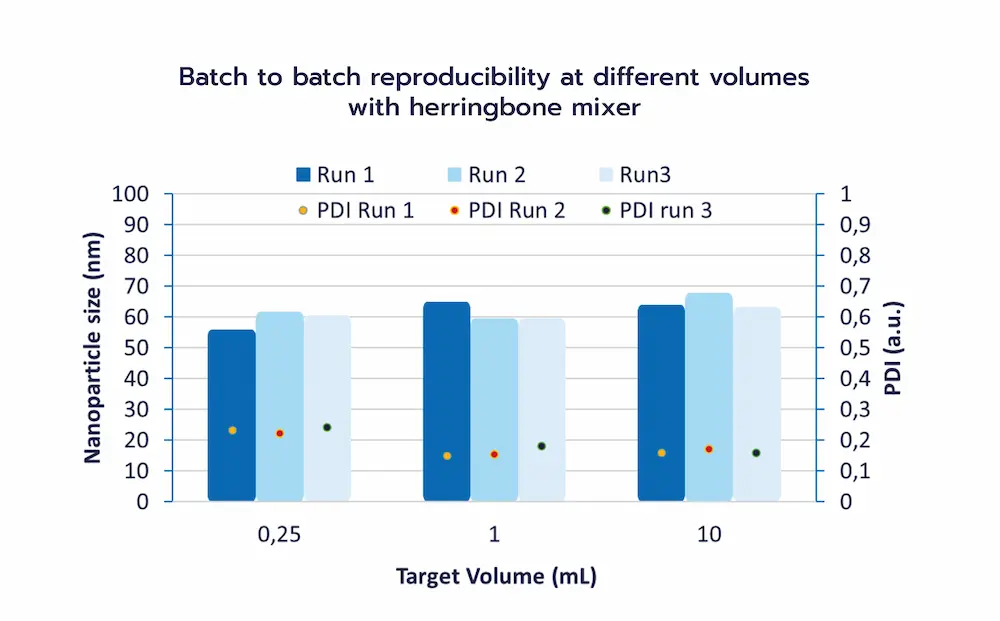
Identical RNA-LNP formulation from screening (0.2 mL) to in-vivo (30 mL)
Size and PDI measurement of the same RNA-LNP (same lipid mix, sample formulation parameters) made with TAMARA at 3 different volumes (250µL, 1 mL and 10 mL)
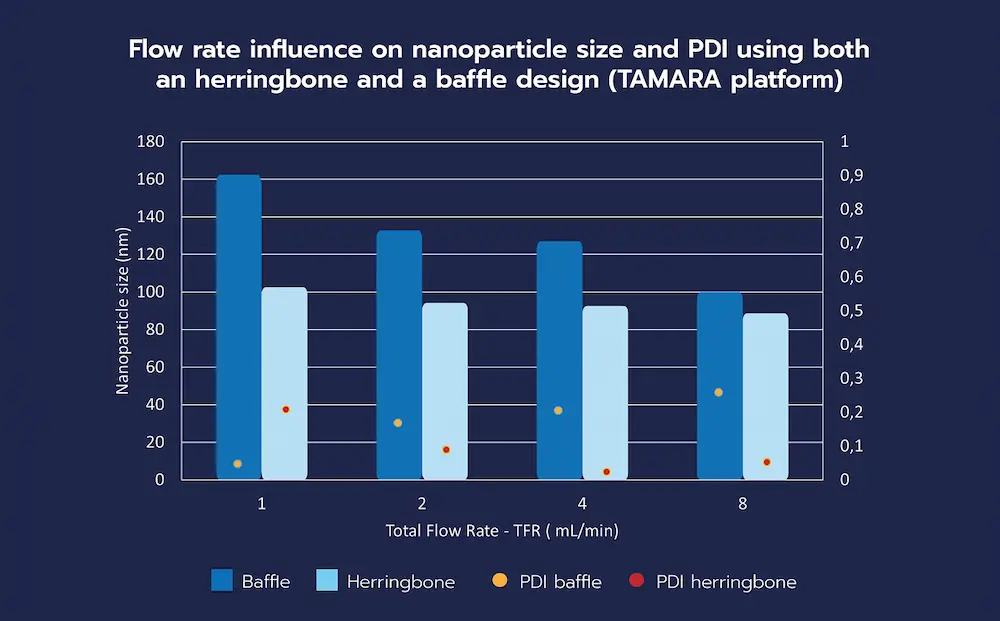
TAMARA – Two triplicates at different TFRs, all using the same chip
Two triplicates of the same RNA-LNP formulation (Moderna) were performed at two different TFRs at 1 mL volume using a single chip , cleaned between runs. Results show excellent repeatability across runs, even after chip reuse.
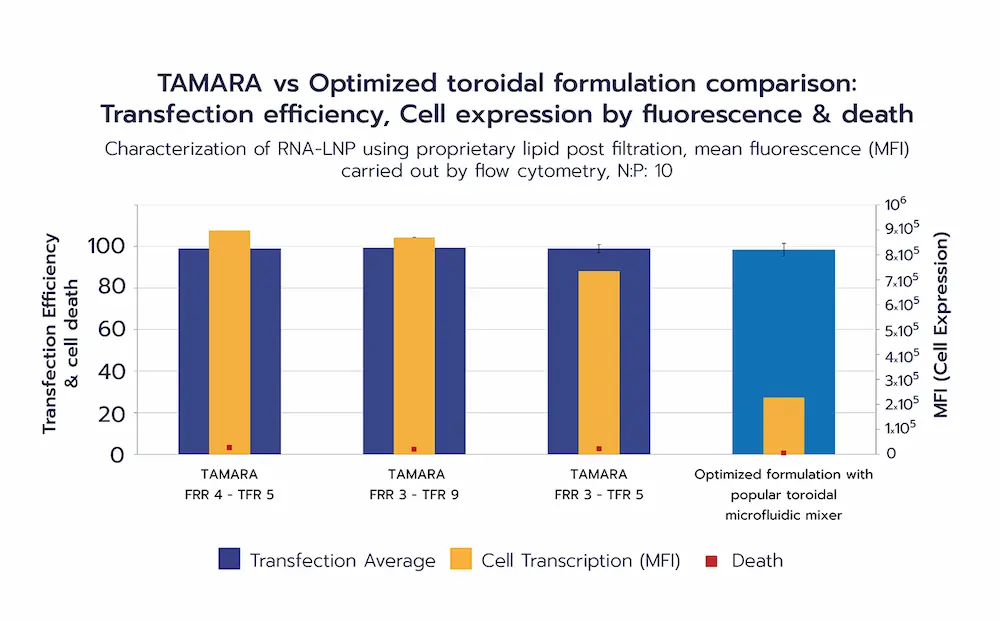
Encapsulation Performance: TAMARA vs. Other Approaches
Comparison of Encapsulation Efficiency and Encapsulation Yield across three different standard microfluidic LNP formulation systems.
Two minutes only to understand TAMARA
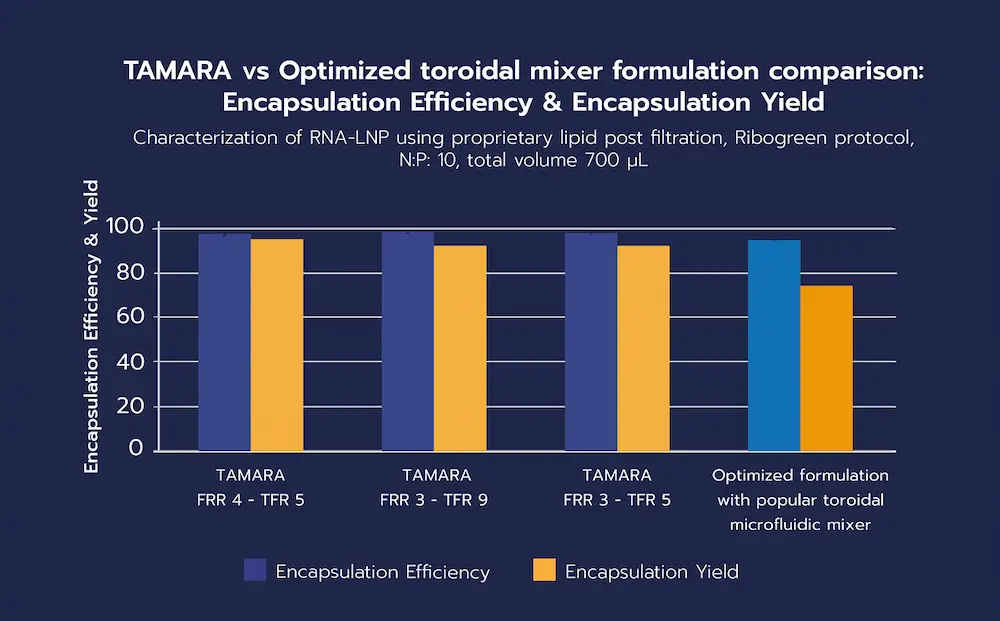
Watch how TAMARA streamlines your workflow with an intuitive 3-step process.
Set → Pipette → Run.
It’s that simple!




Microfluidic technology
The technology Behind the Speed
Microfluidic mixing is the reference method for RNA-LNP formulation as it allows for:
- Best size control and reproducibility through flow condition control (TFR & FRR)
- High Encapsulation Efficiency (EE >95%)
- Excellent in vitro & in vivo performance
- Accurate formulation from µL to mL volumes
TAMARA integrates two microfluidic mixers on a single reversible chip for flexibility:
- Herringbone mixer — fastest mixing for the smallest LNPs. Gold standard in RNA-LNP formulation.
- Baffle mixer — robust secondary-flow design for broader flexibility.
Where are you in your LNP journey?
Find your profile and discover resources tailored to your expertise.
You’re already formulating nanoparticles/RNA-LNPs

What TAMARA changes for you?

0.2 mL to 30 mL on one platform: same nanoparticles from screening to in vivo, no instrument switching
Reusable chips with CV<5%: no single-use cartridges
Zero formulation losses: >90% of your input RNA ends up in your LNPs
You’re adding LNP delivery
to your research

What you get with TAMARA?
No microfluidics expertise required: Set → Pipette → Run (<10 s/run)
One platform for all your development: from cells to in-vivo NHP studies with the same equipment
Onboarding program: step-by-step protocols / support by our experts / services / training offers
Hear from our users

Prof. Raymond Schiffelers
It’s only through daily use that the true value of a machine becomes apparent. When PhD students consistently gravitate toward one device while overlooking others, it speaks volumes. Tamara is in high demand — an endorsement in itself

Prof. Maria Jose Alonso
Our laboratory has been utilizing the TAMARA microfluidic device for nanoparticle preparation, which has enhanced our research capabilities. The microfluidic device offers an adequate combination of precision, scalability, and usability that sets it apart.

Dzenan Kovacic
We’ve set up TAMARA and performed our first mock run. I’m absolutely blown away by how user friendly, efficient and straight to the point this system is!
With you at every step
From your first question to daily use. And beyond, whenever you need us.
Discovery
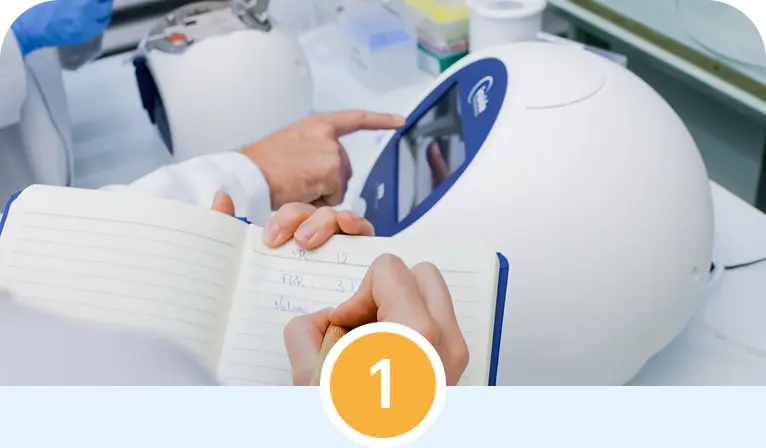
See how TAMARA fits your science: no commitment
Proof of concept study on your application
Borrow a system for your own lab
Talk to our LNP specialists about your application
Installation
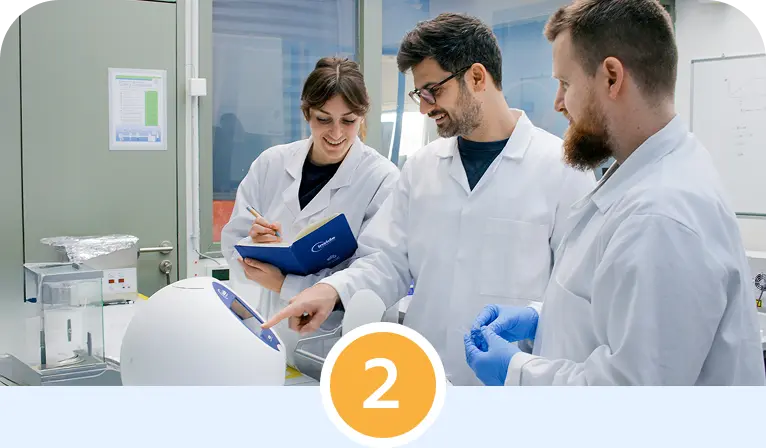
We get you up and running
Setup and onboarding: to get you started quickly
IQ/OQ installation
RNA-LNP 3 days training program: from theory to advanced practice
Long term support
A real partnership doesn’t stop at the delivery
2 years of warranty
Dedicated technical support
Maintenance and warranty extension plans
RNA-LNP formulation service (CRO)
Our experts can formulate for you or transfer their knowledge to your team, depending on the level of autonomy you’re aiming for.
TAMARA Resources
Frequently asked questions about TAMARA
What is TAMARA?
TAMARA is an all-in-one microfluidic formulation system developed by Inside Therapeutics for the controlled production of RNA-lipid nanoparticles (RNA-LNPs) and other nanoparticle formulations including liposomes, PLGA nanoparticles, peptide and hybrid nanoparticles. The system uses microfluidic mixing to control the nanoprecipitation step, where lipids in ethanol meet an aqueous phase containing RNA, to tune nanoparticle size and PDI while maximizing encapsulation efficiency, recovery, and downstream biological performance. TAMARA replaces manual mixing and multi-instrument workflows with a single, reproducible, plug-and-play platform covering the full R&D volume range, from 200 µL screening runs to 30 mL preclinical batches.
What is TAMARA used for?
TAMARA is used to formulate, optimize, and produce RNA-LNPs and other nanoparticle systems for research and preclinical applications. Typical use cases include rapid screening of lipid compositions and process parameters (TFR, FRR, N/P ratio) at minimal RNA input without losses to find optimal parameters, production of mRNA-LNPs for in vitro transfection and expression studies, and generation of in vivo-ready batches for mouse-to-NHP studies. TAMARA can be used for encapsulation of any RNA (mRNA, siRNA, saRNA, CRISPR-Cas9 coding mRNA…) but also DNA, RNP… It is also used for liposome and lipid nanoparticle formulations beyond RNA or DNA payload.
Who is TAMARA designed for?
TAMARA is designed for academic researchers and biotech R&D teams working with RNA-LNP delivery systems. It serves both LNP specialists who need full control over formulation parameters, batch-to-batch reproducibility, and higher throughput than single-use cartridge systems can deliver, at a fraction of the cost per run, and researchers new to the RNA-LNP space, immunologists, oncology researchers, gene therapy teams, vaccine specialists, who want to formulate LNPs themselves without building in-house microfluidics expertise or relying on a dedicated external formulation team.
What volume range does TAMARA cover for RNA-LNP formulation?
TAMARA is the only microfluidic system covering the full R&D range in a single instrument, from 200 µL to 30 mL, without switching platforms. This means you can run early-stage screening (200–500 µL) and scale directly to in vivo mouse studies (5–30 mL) on the same machine, ensuring you make the same nanoparticles (changing machine = changing made nanoparticles). Competing systems typically require two instruments, doubling equipment costs and introducing inter-instrument variability.
Does TAMARA use single-use cartridges or reusable chips?
TAMARA uses reusable microfluidic chips. Each chip can be cleaned between runs using the integrated 4-step cleaning protocol and reused across multiple formulations, typically 10 to 30+ times for small batches. For a lab running several formulations per week, this can represent savings of up to €20,000 per year on consumables compared to single-use cartridge systems, while also removing supply-chain dependencies on disposable components.
How much RNA do I need per TAMARA formulation?
TAMARA has no minimum RNA requirement. A standard 200 µL formulation run requires approximately5–10 µg of RNA for in vitro screening in triplicate. For in vivo mouse studies (IM injection), plan 50–100 µg per batch. TAMARA’s zero dead volume design ensures >90% RNA recovery, critical when working with custom RNA constructs that can cost >$1,000/mg. Use the RNA-LNP Formulation Calculator to plan exact lipid and RNA quantities for your experiment.
Do I need prior nanoparticle expertise to use TAMARA?
No. TAMARA is designed to be accessible to researchers without prior microfluidics or nanoparticle formulation experience. Pre-validated LNP formulation protocols based on SM-102 (Moderna-like) and ALC-0315 (BioNTech-like) lipid compositions are available as ready-to-use starting points, with matching LNP Starter Kits supplied so you can formulate from day one without sourcing lipids separately. Inside Therapeutics also offers a 1–3 day hands-on RNA-LNP training program covering formulation design, parameter optimization, and characterization, delivered at the Inside Therapeutics lab in Bordeaux or on-site. Researchers transitioning from electroporation, viral vector delivery, or lipofection are supported through the full workflow.
Can TAMARA be used for CRISPR and gene editing applications?
Yes. CRISPR-Cas9 co-encapsulation in LNPs has been validated with TAMARA. In a study at Université de Rennes / BIGRes-Inserm, TAMARA-formulated LNPs achieved ~99% B2M gene knockout in hematopoietic stem cells (HSCs), comparable to electroporation , with less than 1% cell death (vs ~20% with EP), 10× less sgRNA per million cells, and ~99% cell viability. Unlike electroporation, LNPs formulated with TAMARA are compatible with in vivo delivery routes (IV, IM, SC, IT), making them suitable for translational gene editing programs.

Ready to discover TAMARA?
Book your personalized demo or talk to one of our formulation experts!
Response within 24 hours. Your data is secure & never shared